
HMC Elite Highlights Tour
March 14 @ March 14 - March 22 @ March 22 UTC+10
$229
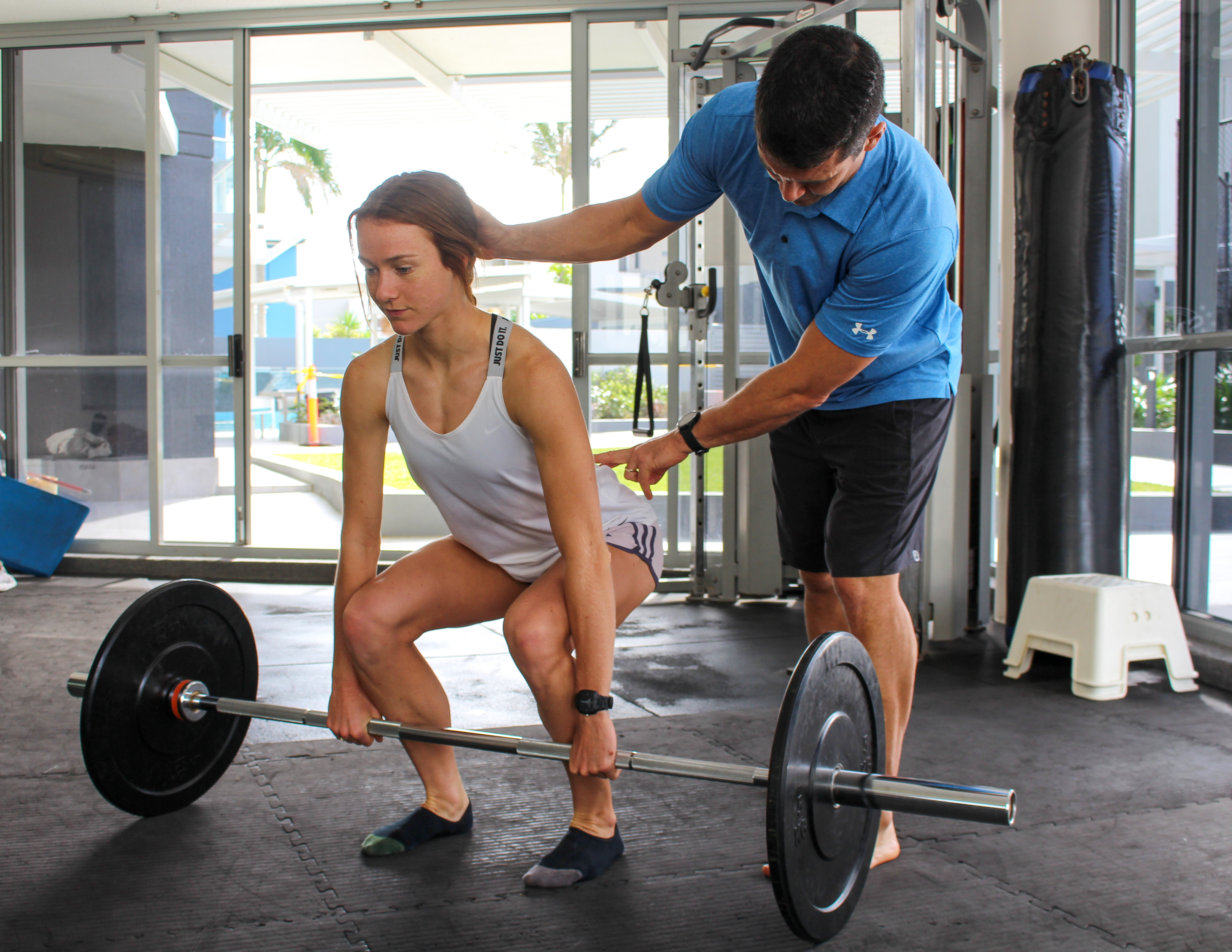

Practical Highlights from the HMC Elite Program
This workshop showcases some of the most effective, practical tools developed and refined through the HMC Elite Program over the past decade.
No theory-heavy lectures. No protocols to memorise.
This is hands-on, immediately usable work for movement professionals who want better results with less wasted time.
Wellington – Saturday 14th March 2026
- HealthFit Wellington – 18 Allen Street, Te Aro, Wellington 6011
Christchurch – Sunday 15th March 2026
- Bodyfix Gym – 29 Leeds Street, Phillipstown, Christchurch 8011
Hamilton – Saturday 21st March 2026
- Lift Fitness 5/7 Parakiwai Road, Hautapu, Cambridge 3496
Auckland – Sunday 22nd March 2026
- Unruly Company – 14/3 Workspace Drive, Hobsonville, Auckland, 0618
Workshop Description
10:00 -10.15 Introductions
10.15 -11.25: Session 1 – From Rehab to High Performance – Simple Movement Wins!
This session focuses on simple interventions that deliver a massive return.
The kind of work that improves movement quality and performance without filling up half of your session.
You’ll learn a few HMC signature drills that target:
- Breathing mechanics
- Postural control
- Thoracic mobility
- Hip mobility
These are not “foundation exercises for beginners”.
They are the kind of drills that experienced practitioners often overlook, yet consistently change how people move and feel.
You’ll leave with practical tools you can apply immediately – with clients in pain and with high-performing clients alike.
11.30– 12.40: Session 2 – Brain Based Training – Better Movement Starts in the Brain
This session applies neuroscience to movement in a way that is practical, testable and immediately observable.
Most movement professionals spend the majority of their time working with the proprioceptive system – muscles, joints and load.
However, the brain receives far more information from the visual and vestibular systems than from proprioceptors.
This session will challenge how you think about movement limitations.
You’ll learn:
- Why poor movers often have visual or vestibular deficits rather than strength or mobility problems
- Simple tests to identify these deficits
- Targeted exercises that can produce immediate changes in movement quality
This is not abstract neuroscience or woo woo stuff.
It is applied brain-based work designed to help people move with more confidence, coordination and control.
Many of our coaches said that this material reframed how they assessed and coach movement.
12.40-1.15 Lunch
1.15-2.25: Session 3 – Asymmetrical Strength – What’s Relevant and What’s Not?
Asymmetry is normal. Chasing perfect symmetry is often unnecessary.
This session teaches you how to tell the difference.
Rather than treating all asymmetries as problems, you’ll learn how to determine if it’s worth investing time to
You’ll be taken through simple, repeatable tests that help you decide:
- When asymmetry increases injury risk
- When targeted work is justified
You’ll leave with greater confidence in how to assess for asymmetries and how to correct them.
2.30-3.45: Session 4 – Open Clinic – Live Problem Solving in Action
In this session, you’ll watch real clients being assessed and treated live.
You’ll hear the clinical reasoning as it happens – what’s prioritised, what’s ruled out, and why the plan changes when it does.
Clients will present with common issues such as:
- Back pain
- Hip pain
- Neck pain and headaches
Throughout each case, the focus will be on:
- Why certain tests matter more than others
- How simple interventions are selected and progressed
This is a rare opportunity to problem solving in real-world conditions, not rehearsed examples.
5.5 CPDs with NZ REPs
All payments are fully refundable in the case of Ebola lock downs, alien invasions, or plagues of locusts 